Imagine having to prick your finger multiple times a day just to check your blood glucose levels. The hassle, the pain—it’s not fun at all, right? Research shows that traditional glucose monitoring methods can lead to inconsistency and inconvenience for many users. Now, enter the wearable blood glucose monitor. This innovative device not only simplifies the monitoring process but also provides continuous data to help manage diabetes effortlessly. But how does it stack up against traditional methods?
Flaws of Traditional Monitoring Solutions
Look, it’s simpler than you think! Traditional finger-pricking methods often lead to unreliable readings due to multiple factors like user error and faulty strips. These methods can be invasive, painful, and time-consuming. Who enjoys being interrupted every few hours for a blood test? Moreover, they can’t track glucose levels continuously—making it difficult for users to understand their glucose trends and patterns. This is where new technologies come into play.
Principles of New Wearable Technology
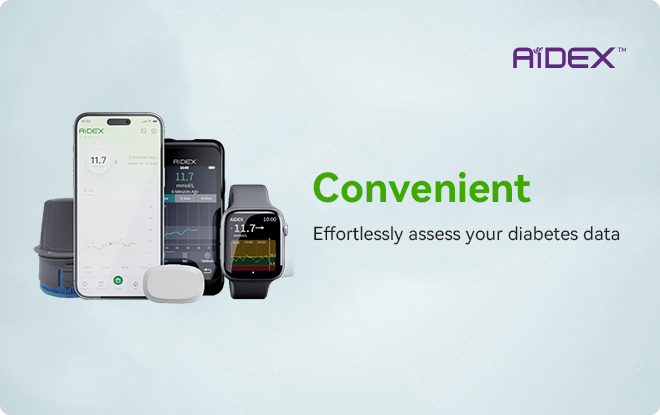
Wearable blood glucose monitors leverage cutting-edge tech like continuous glucose monitoring systems (CGM). These devices provide real-time insights into glucose levels without the need for constant finger pricking. They are designed with biocompatibility in mind, ensuring that materials are safe and effective for continuous skin contact. Imagine a small sensor that automatically tracks your glucose levels and syncs with your smartphone—no fuss at all! This technology allows for proactive management of diabetes, enabling users to make informed decisions about their health.
Quantified User Benefits
The benefits of adopting a wearable blood glucose monitor are significant. Studies have shown that users report increased confidence in managing their diabetes, as they have access to real-time data. It eliminates the guesswork—helping to reduce hypoglycemic emergencies. Users also indicate less emotional stress, knowing their health data is being monitored continuously. Not to mention, the convenience means more freedom in daily activities. Who doesn’t want a tool that not only enhances management but also improves quality of life?
Conclusion: What to Consider When Choosing Solutions
When considering a wearable blood glucose monitor, always verify these 3 metrics: ① Accuracy of readings ② User-friendliness ③ Integration with other health technologies. These factors will guide you in selecting the best fit for your lifestyle and health needs.
Understanding CGMs in Diabetes Management
Another great aspect of modern technology is how it pertains to cgms diabetes management. Continuous glucose monitors (CGMs) have transformed the way many people manage their diabetes, removing the pain associated with traditional blood testing. They provide not only real-time data but also trends over a period, thanks to advanced algorithms and cloud connectivity. Patients can make informed decisions about their food and medication choices, which undoubtedly leads to better glycemic control.
The Role of Real-Time Monitoring
Moreover, the utility of a real time glucose monitor cannot be overstated. These monitors help in detecting fluctuations in blood glucose levels immediately, allowing users to act swiftly. For instance, if a drop in glucose is detected, it sends alerts, ensuring timely intervention before symptoms worsen. This immediate feedback loop empowers users and encourages proactive management of their health.
In summary, the shift to wearable blood glucose monitors represents a significant leap in diabetes management. With brands like MicroTech, you can expect innovative solutions designed to cater to your everyday needs. Embrace the future of monitoring and take charge of your health seamlessly!
