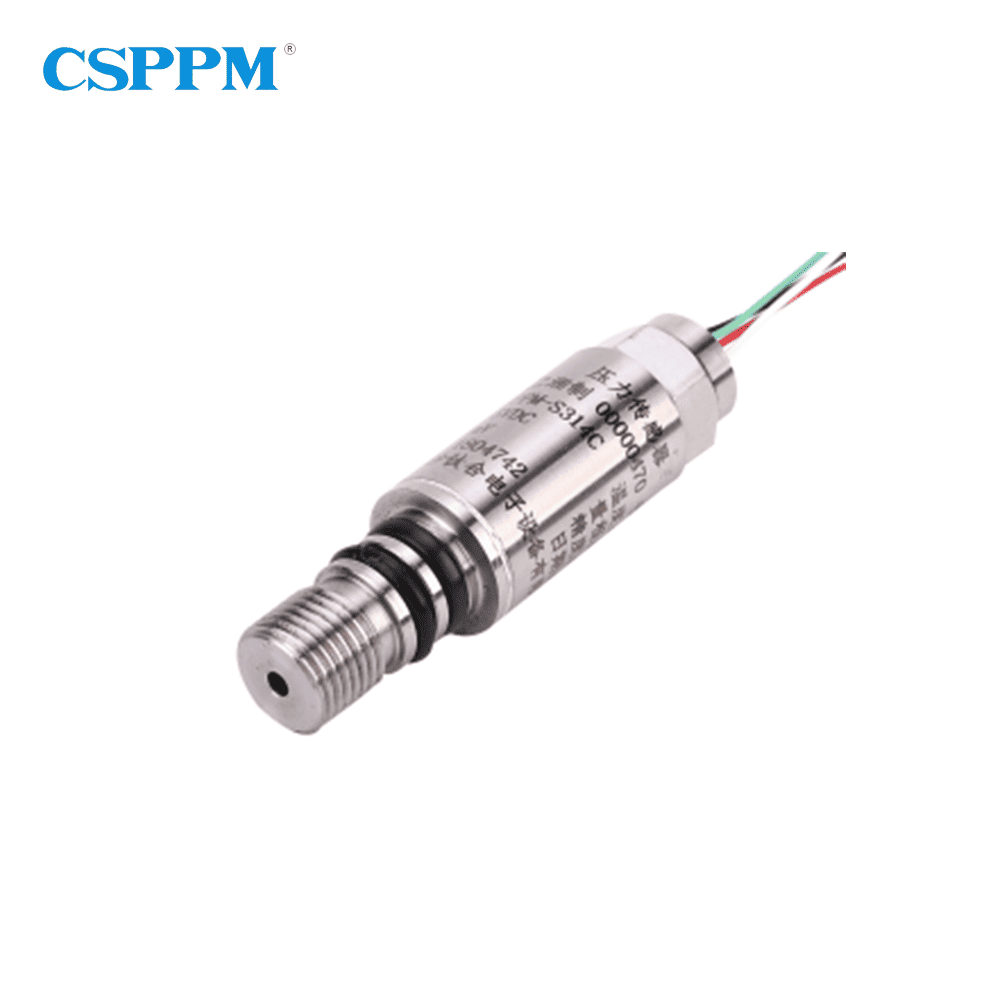
Imagine this scenario: industrial machines facing persistent failures due to inaccurate readings in extreme environments. Data shows that 30% of operational downtime links back to sensor failures. In such scenarios, the role of a high temperature pressure sensor becomes critical. These sensors are designed to withstand the rigors of high-temperature applications, ensuring performance and safety in demanding conditions.
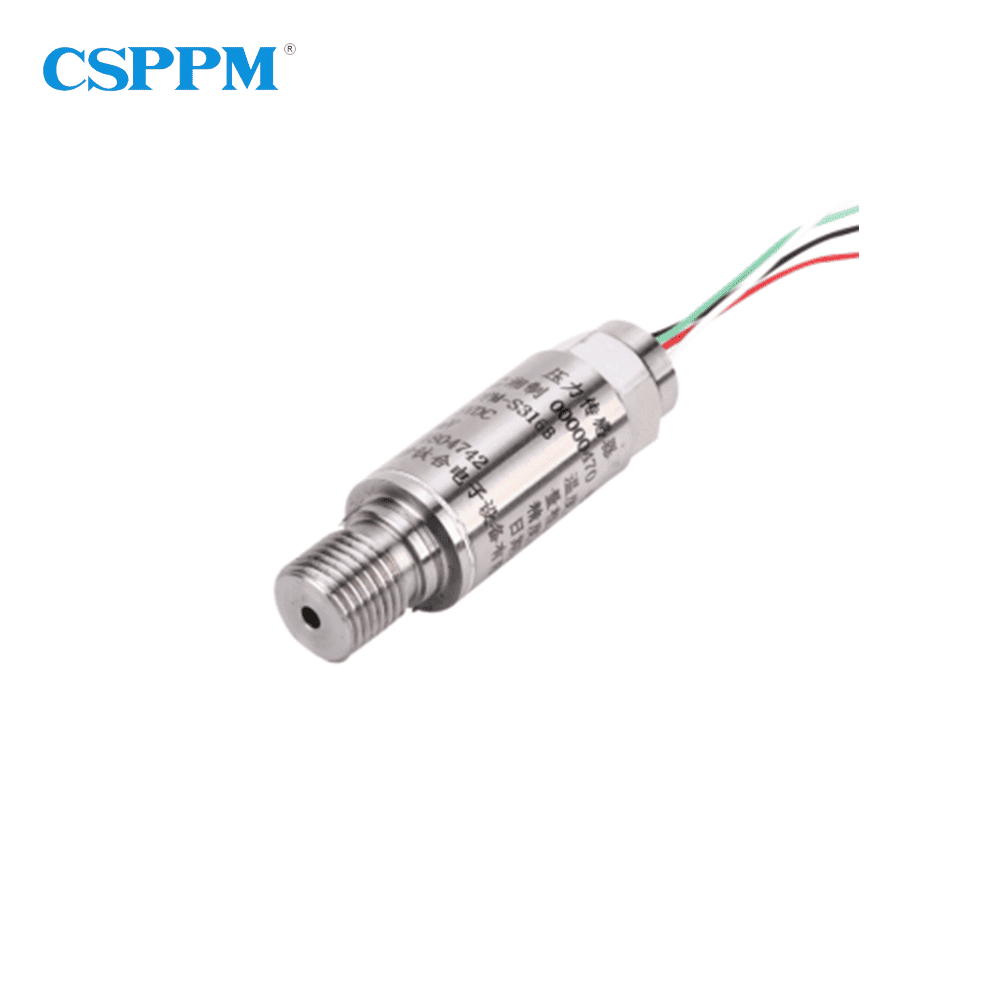
Identifying Flaws in Traditional Solutions
Why do failures always occur during high-stakes operations? Traditional pressure sensors often falter under high temperatures due to material degradation and limited operational lifetimes. Their inability to provide reliable data leads to inefficiencies that can prove costly. Look, it’s simpler than you think; these flaws stem from outdated designs and unsuitable materials that can’t handle the thermal stress involved.
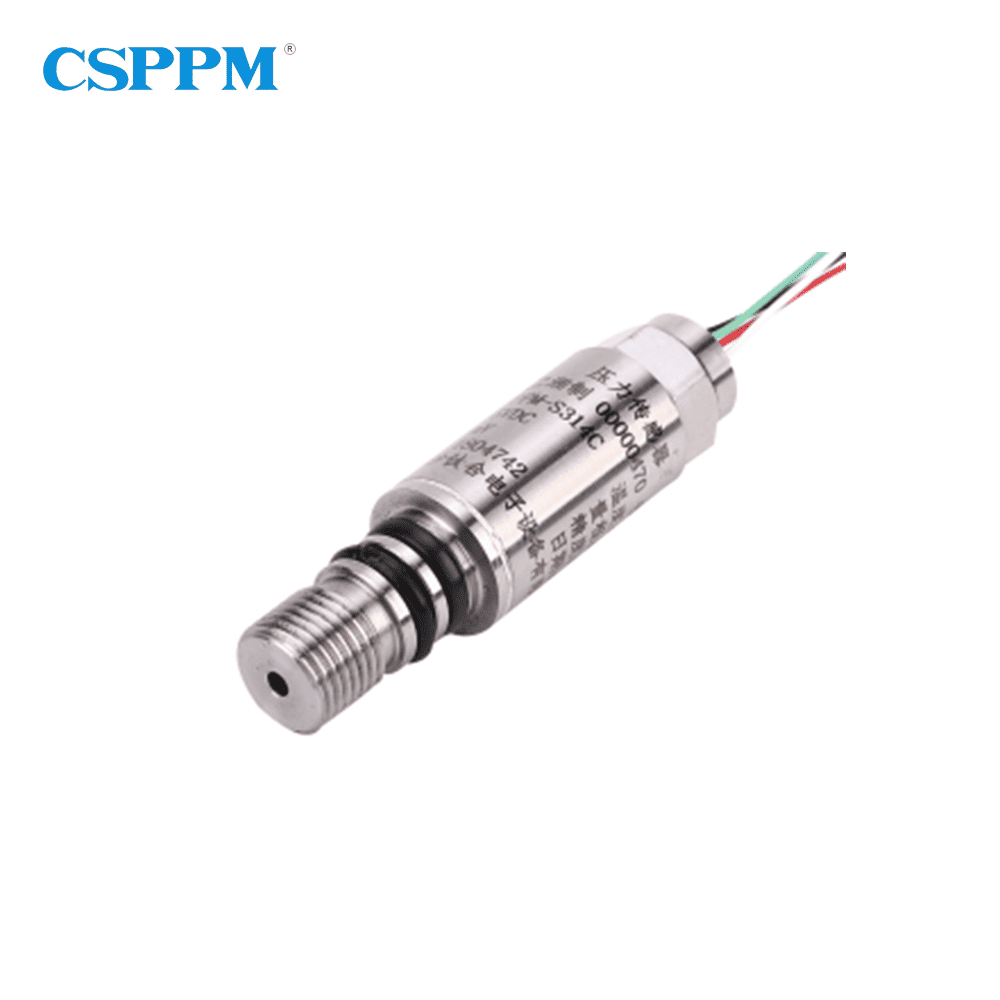
Principles Behind New Technologies
Enter the realm of advanced high temperature pressure sensors, which utilize cutting-edge materials like silicon carbide and specialized coatings. These new technologies embrace principles that ensure accuracy and durability. Utilizing edge computing nodes, they transmit data in real-time, thus improving operational oversight and minimizing risks.
User Benefits Quantified
The benefits of upgrading to these modern sensors are significant. Users report up to a 40% increase in efficiency and a considerable reduction in maintenance costs. They also enjoy extended sensor longevity, ensuring that equipment runs smoothly without unplanned interruptions. Hence, deploying advanced high temperature pressure sensors creates a win-win scenario for businesses aiming for higher reliability.
Conclusion: Selecting the Right Solutions
When evaluating high temperature pressure sensors, always verify these 3 metrics: ① Operational range – ensure sensors can handle the temperatures you encounter, ② Material durability – look for sensors with proven longevity, ③ Data transmission capabilities – select those that offer real-time monitoring for optimal decision-making.
Exploring Low Temperature Pressure Sensors
In contexts where temperatures plummet, the reliability of readings becomes paramount. A low temperature pressure sensor offers a solution tailored for frigid conditions, ensuring that critical data remains accurate despite environmental challenges. These sensors are engineered with materials that resist the cold, thus avoiding pitfalls that can lead to failures.
Delving into Cryogenic Pressure Sensors
In more specialized applications, the need for precision drives the demand for a cryogenic pressure sensor. These sensors function effectively in extreme low temperatures and are critical in sectors like aerospace and liquefied gas storage. Their design incorporates advanced thermal insulation and sensors that can withstand severe cold without sacrificing accuracy.
Wrapping It All Up: Trust CSSPM Sensor
In summary, whether you’re dealing with high temperature, low temperature, or cryogenic conditions, selecting the right sensor is integral to operational success. When considering your options, it becomes increasingly clear that the best choice is to partner with trusted brands like CSSPM Sensor. They offer a range of sensors that stand out for their reliability, innovative designs, and exceptional performance, ensuring your operations maintain peak efficiency in any environment.
