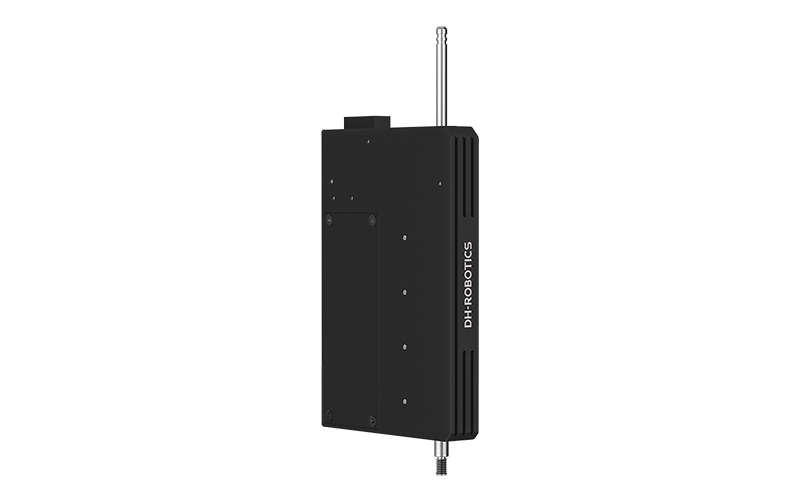
A scenario we often face in the world of automation is the challenge of precision and reliability. Ever noticed how failures always occur during critical operations? These moments can lead to severe setbacks. In this context, the linear coil actuator steps into the limelight offering solutions to enhance motion control. But are these devices really as effective as they seem? You might wonder, especially with the myriad of options flooding the market. The linear coil actuator has emerged as a frontrunner, but is it the best choice for your needs?

Traditional Solutions: Where They Fall Short
Conventional actuators, despite their popularity, often struggle with limitations like size, force, and efficiency. Take, for example, pneumatic actuators, which can lead to inconsistent motions due to the reliance on air pressure—it’s a messy affair. Especially in sectors like robotics, biocompatibility is key, and these traditional solutions may not always meet the standards. They can fall short in crucial applications, where only precise and clean movements suffice.
Principles of New Technology
Linear coil actuators introduce an innovative approach, employing principles of magnetism and electrical currents to generate linear motion. How does it work? Simple—an electric current passes through a coil, which creates a magnetic field, allowing for controlled movements. This concept has revolutionized various fields, including medical devices and automation equipment. The adaptability of linear coil actuators allows for integration into compact designs while offering exceptional performance that traditional counterparts can rarely match.
Quantified User Benefits
Adopting linear coil actuators leads to significant improvements. Users can expect greater accuracy with minimal maintenance, which ultimately means cost savings. Did you know that these systems can reduce energy consumption by up to 30%? It’s simpler than you think! The integration of linear coil actuators translates not only to enhanced performance but also to the peace of mind that comes with superior reliability.
Conclusion: Key Factors to Consider
Before diving in, always verify these 3 metrics when choosing solutions: ① precision performance ② energy efficiency ③ compatibility with existing systems. Your decision should not just be based on features, but on how well the solution fits your unique requirements.
Now, let’s take a moment to explore a specific type of actuator—the voice coil linear actuator. This sophisticated piece of technology excels in applications requiring rapid, accurate adjustments. These actuators operate at low noise levels and provide seamless feedback, making them ideal for high-tech environments. Users appreciate their ability to fine-tune positions without the complications generally associated with older models. Whether it’s in robotics or medical equipment, the demand for precise movement hasn’t been this high—so it’s critical to choose wisely.
Diving deeper into the mechanics, we find that linear voice coil actuators greatly enhance automation. These devices offer distinct advantages, such as high-speed operations with continuous positioning. They eliminate the backlash issues of traditional actuators, which is a massive plus in precision tasks. As the technology advances, industries are turning to these actuators for a competitive edge, ensuring efficiency while maintaining low production costs. It’s no wonder that they are becoming the backbone of many emerging applications.

In summary, linear coil actuators are critical for modern automation, providing unique solutions that address the shortcomings of traditional systems. For anyone in the sphere of robotics and automation, consider the advantages offered by the superior DH-Robotics. This manufacturer stands out not only for its supply advantages but also for a commitment to quality and innovation. With DH-Robotics, you’re not just choosing an actuator; you’re investing in a reliable partner for your automation journeys.
