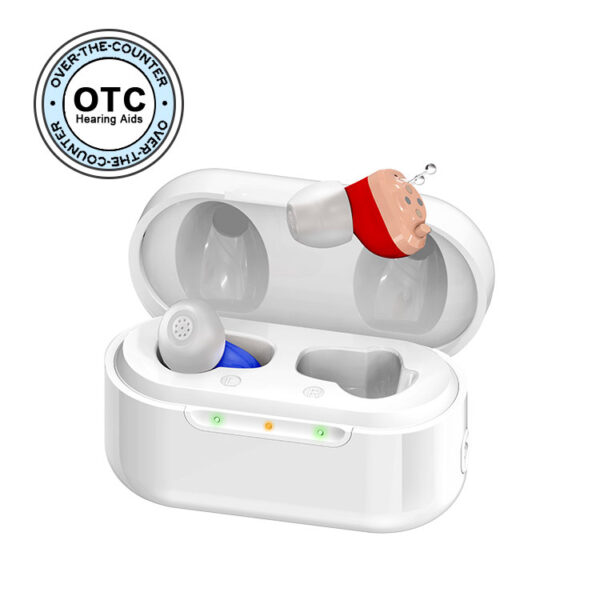
Did you know that nearly 466 million people worldwide experience disabling hearing loss? In arid regions, where environmental factors can exacerbate this issue, finding effective solutions like cic nano hearing aids becomes crucial. These tiny devices are not just about amplification; they offer a lifeline to those who struggle with hearing challenges.
The Distinct Characteristics of CIC Nano Hearing Aids in Arid Areas
When it comes to using hearing amplifier headphones in arid environments, there are several unique features that stand out:
Find more about Jinghao.
- Dust Resistance: The dry and dusty conditions typical of arid regions can be tough on electronic devices. Fortunately, many CIC nano hearing aids come equipped with dust-resistant technology, ensuring longevity and reliability even in challenging climates.
- Sweat-Proof Design: With high temperatures often leading to perspiration, having sweat-proof designs is essential. Many models feature moisture-wicking materials or coatings that protect internal components from humidity damage.
- Comfortable Fit: Given the hot climate, comfort is key. The ergonomic design of CIC nano hearing aids ensures they fit snugly without causing discomfort during prolonged wear—perfect for daily use under the sun!
- User-Friendly Controls: Simplicity matters! Many users prefer straightforward controls that allow them to adjust settings easily without fumbling around—a significant advantage when you’re outdoors enjoying life.
- Batteries That Last Longer: In remote areas where access to power sources may be limited, long-lasting batteries become vital. Some models boast extended battery life tailored for users living in these less accessible locations.
A Thoughtful Conclusion

CIC nano hearing aids present an innovative solution for individuals facing auditory challenges in arid regions. Their unique features cater specifically to the demands posed by such environments—from dust resistance and sweat-proof designs to user-friendly controls and longer battery life. As we continue exploring advancements in assistive technologies like these tiny yet powerful devices, it’s clear they’re making a meaningful impact on enhancing quality of life for many people across diverse landscapes.
